Our $60m Series A: Unlocking the systems that power the everyday
5 minutes reading time

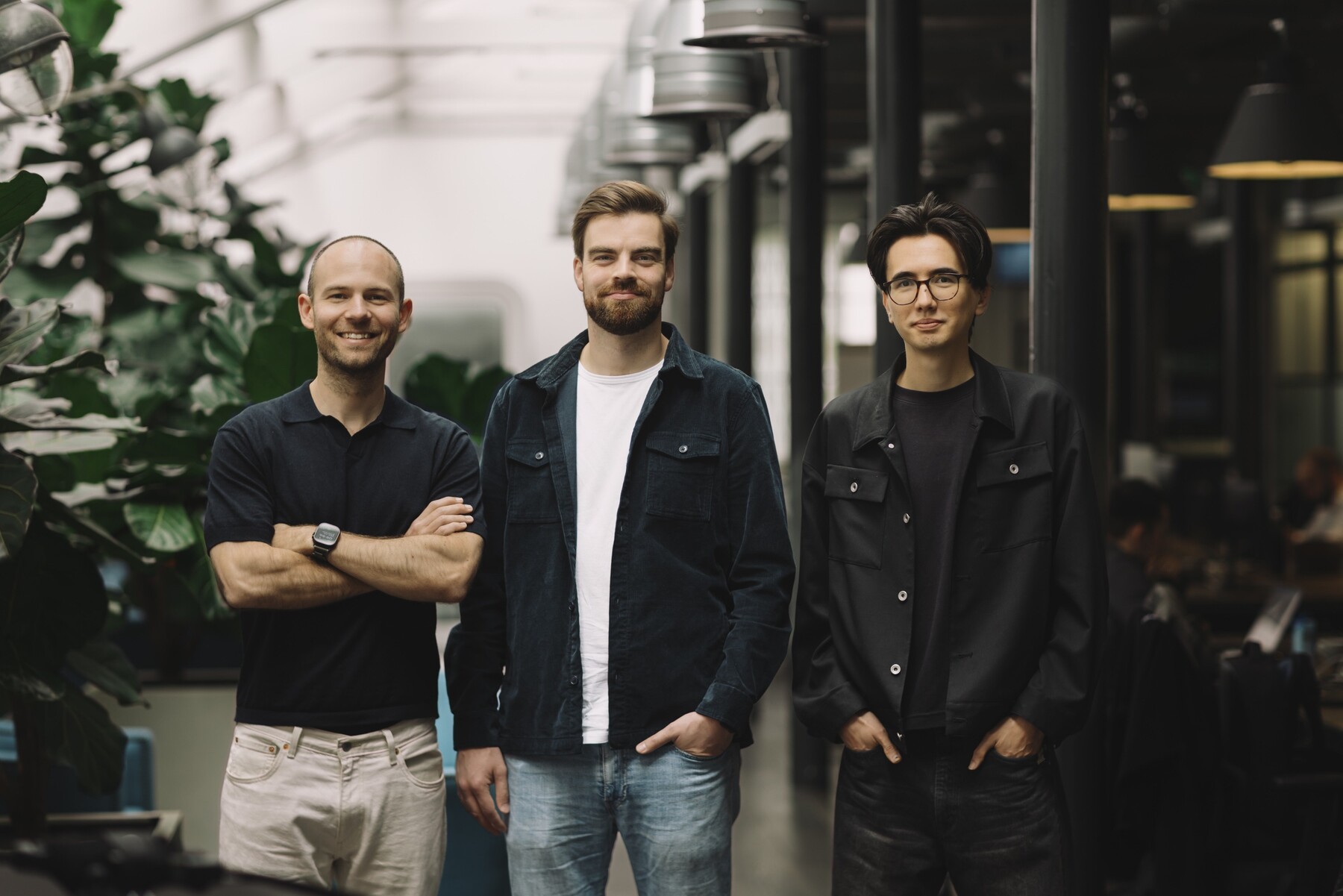
JP, Philipp, and Henry
Founders
Conduct has raised a $60m Series A co-led by Index Ventures and ICONIQ, with strategic investment from SAP, to unlock the systems that power the everyday.
Our everyday life depends on complex products and services that we take for granted. Deliveries that arrive at your front door when you expect them. A constant supply of foreign coffee beans at your local café. Trains that run on time despite thousands of ever-changing variables. Look under the hood and these apparent facts of life are created by software: logistics systems tracking deliveries through your neighbourhood’s streets, supply chain systems pushing coffee beans across borders, operational systems ensuring busy tube trains can offload onto empty platforms. Software systems shaped over decades quietly power the everyday.
Today, with our $60m Series A co-led by Index Ventures and ICONIQ, with strategic investment from SAP, we are redefining how fast these systems will be shaped in the decades to come.
Within every enterprise, thousands of employees build these applications that make the world run. This is enterprise IT: not as many assume a team of administrators of off-the-shelf products. Rather, a full-blown internal software company designing highly-specific systems customised for exactly what the business does. So, any decision a business makes is naturally implemented by changes to these systems. Want those deliveries to arrive at your customers’ front doors ahead of schedule? You’ll need to write, test, and deploy new code in your logistics system to enable faster routes. Want to source beans from a new country for your cafés? You’ll need to custom-develop changes to your supply chain system to handle imports from that country. The business can only change its products, services, and operations as fast as its systems can be changed. And today, the projects that change these systems take years too long.
At Palantir, the three of us saw this problem in different businesses, in different roles, on different continents. Everywhere, the pattern was the same. Before the systems, and therefore the business itself, could change, the existing systems had to be understood: large IT teams pored over the source code and business teams conducted hundreds of interviews with users before each department could present their collated findings and negotiate a way forward. This work lasted months as decades of customisation made the code in these systems, often hundreds of millions of lines long, opaque even to the people running them. This is what stuck with us most: ambitious companies with the will and capital to change were in stasis, waiting on their own software. Decisions made in the boardroom were dying in the backlog. Anyone who has sat through a change advisory board, or waited months for an urgently needed update, knows exactly what we mean.
We also saw why this complexity exists, and why it is worth defending. Apple does not produce the iPhone on software you can buy from a vendor. Amazon did not buy its delivery optimisation off the shelf. There is no standardised world, and if you build for one, you build for nothing. A company's customisation is its competitive advantage, the accumulated intelligence of how it beats its competitors. The answer was never to replace it: the answer is to finally understand it and therefore to be able act with full intelligence on it.
We are providing that answer. Conduct is the AI operating system for enterprise software. Our platform ingests custom code, configuration, and dependencies, and builds one operating layer linking each step of a business process to the code that implements it. Agents analyse source code, gather knowledge about how and why systems were customised, and reason with company-specific context, removing the costly, lengthy, and high-risk manual work that bogs down transformation. Business and IT teams work on the same problem, in the same place, for the first time, transforming systems at a new pace. A change that once took five months takes an afternoon. The faster deliveries can take place from tomorrow, rather than from next quarter. The new coffee beans can be sourced this afternoon, not next year. The gap between business decision and software implementation is collapsed.
So, consider every supply chain, every factory, every service, in every economy on earth. When the companies that build the trucks, pour the concrete, run the airports, and move the freight can transform their their systems faster and more reliably, the velocity of the whole world changes. The speed at which these systems can change is the speed limit of the everyday, and we intend to raise it. Today, 87% of global commerce runs through an SAP system and Conduct is poised to accelerate every team work on one. However, SAP is just our starting point.
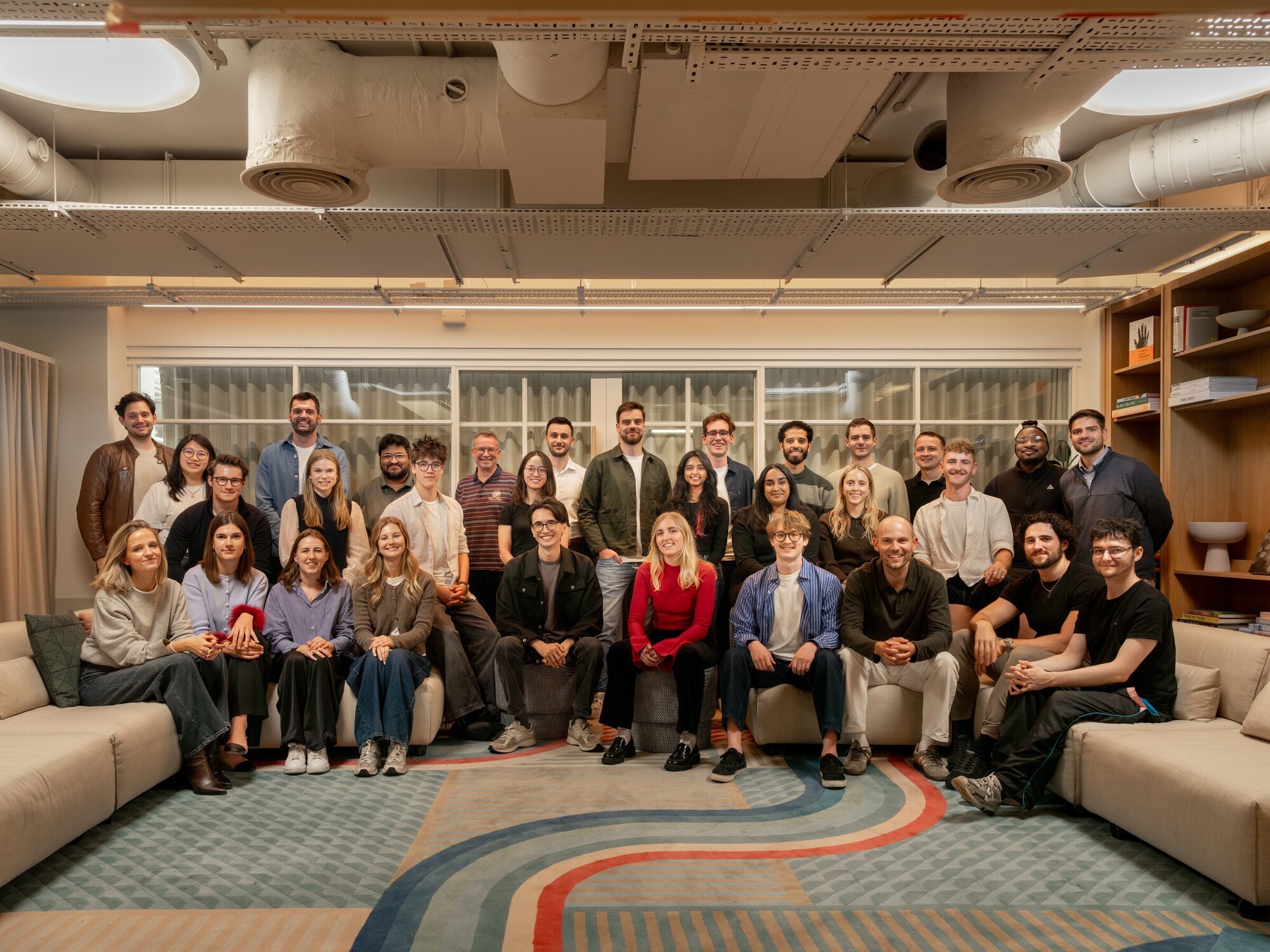
We could not be more excited about the new partners joining us for this next chapter of Conduct, and are just as delighted that our original backers, Creandum, Lucid Capital, and Booom, chose to double down in this round. We're running faster than ever now: expanding our engineering and go-to-market teams, taking Conduct beyond SAP across the entire enterprise stack, and building our second HQ in New York.
None of this would be real without the companies that trusted us early. Daimler Truck, Heidelberg Materials, Fraport, Rittal, and DHL handed us their most critical systems and proved what is possible on the other side: design cycles 10x faster, and 50 to 80% cost savings in key migration phases. BCG, NTT DATA Business Solutions, and SAP have since built partnerships with us.
We refuse to accept that operating complex systems has to be complex work, and we refuse to accept that moving slowly is inevitable. If that sounds like a problem worth your career, join us.
JP, Philipp, and Henry
Co-Founders, Conduct